September 24, 2026
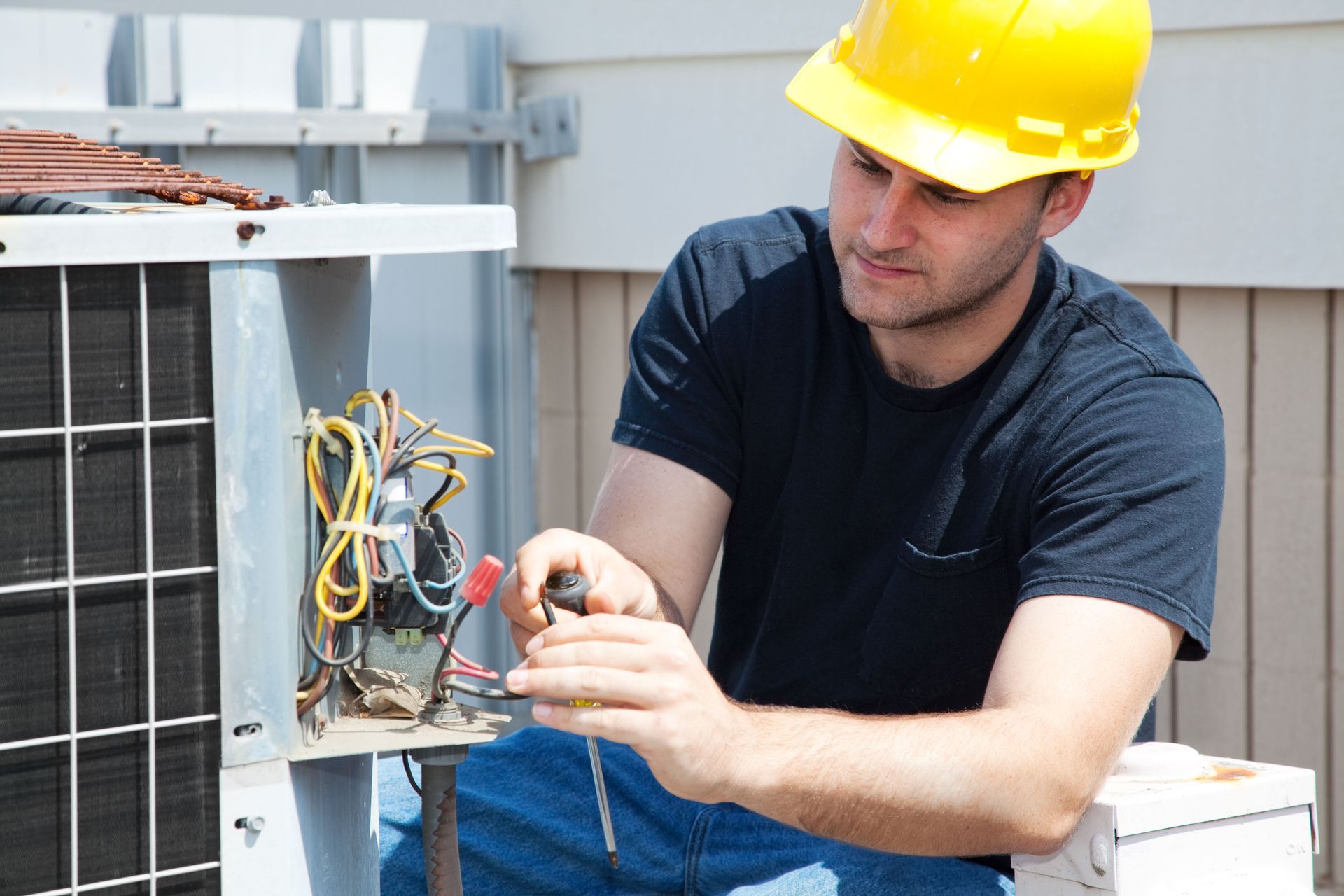
Maintaining a comfortable indoor climate requires functional cooling systems. During sweltering summer months, a malfunctioning air conditioning unit poses significant challenges for property owners. Decisions regarding system malfunctions bring a dilemma to the forefront. Property owners must choose between scheduling a standard service call or investing in a complete system overhaul. Making the correct choice requires thorough consideration of factors related to the current cooling setup.
Navigating this decision involves weighing immediate expenses against long-term financial benefits. A basic fix might resolve a minor issue, but systemic failures demand a comprehensive approach. Homeowners must examine the general health of the equipment before making a determination. Understanding the specific indicators that point toward a fix versus a total upgrade helps property owners navigate the landscape of air conditioning management.
Evaluating the Age of the Equipment
The lifespan of a cooling unit plays a crucial role in determining the appropriate course of action. Mechanical systems experience gradual wear and tear over time. As components age, they become prone to frequent breakdowns. Property owners must track the installation date of the climate control systems to make informed decisions. Older systems lack the modern technological advancements found in newer models.
Industry professionals tend to point to a distinct timeframe when assessing equipment viability. According to Home Advisor, if an HVAC system is older than 15 years and needs costly repairs, it might be more economical to replace it. This established metric serves as a baseline for homeowners facing mechanical failures. Aging units struggle to maintain desired temperatures during extreme weather conditions. The degradation of internal mechanisms leads to inevitable performance issues.
When equipment exceeds the standard lifespan, securing replacement parts becomes a difficult task. Manufacturers discontinue production of older components, making a simple AC repair an expensive endeavor. Technicians spend extra labor sourcing rare parts for obsolete units. The increased material expenses associated with fixing aging machinery tip the scale toward a complete upgrade. Homeowners save money by recognizing the limitations of old equipment.
Newer models feature robust warranties that protect consumers from unexpected financial burdens. Older units lack this vital safety net. A major mechanical failure in an outdated system leaves the property owner responsible for the entire bill. Upgrading to a new unit provides peace of mind through comprehensive manufacturer guarantees. Evaluating the age of the current equipment remains a fundamental step in resolving cooling dilemmas.
Assessing the Frequency of Breakdowns
Occasional malfunctions occur with any mechanical appliance. A minor electrical issue or a clogged filter requires minimal intervention. However, a pattern of continuous failures signals a deeper systemic problem. Property owners who summon technicians without pause should reevaluate the viability of the current cooling setup. Continual service calls disrupt daily life and create persistent frustration for the occupants of the home.
Documenting the history of mechanical failures provides a clear picture of equipment health. An isolated incident warrants a basic AC repair. In contrast, multiple breakdowns within the same season indicate severe internal degradation. The stress of constant malfunctions takes a toll on the structural integrity of the machine. Frequent service interruptions highlight the inability of the system to manage routine cooling demands.
Technicians evaluate the root cause of each breakdown to provide an accurate diagnosis. Repeated failures in the compressor or the evaporator coil suggest catastrophic system decline. Fixing these major components requires significant labor and resources. When fundamental parts fail in quick succession, a simple fix provides nothing more than a temporary bandage. Property owners must recognize when a machine has reached the point of no return.
The inconvenience of a broken air conditioner extends beyond financial implications. Occupants endure uncomfortable living conditions while waiting for service appointments. Chronic breakdowns create an unpredictable indoor environment. Investing in a brand-new unit eliminates the anxiety of impending mechanical failures. Assessing the frequency of breakdowns allows homeowners to escape the cycle of endless maintenance and restore reliable climate control to the residence.
Analyzing the Cost of Maintenance
Financial considerations dictate the decision between fixing and upgrading a cooling system. Routine maintenance remains a standard part of homeownership. Filter changes and basic inspections involve negligible expenses. However, catastrophic failures demand substantial financial resources. Property owners must compare the cost of a comprehensive AC repair against the price of a complete system installation. Ignoring the financial realities leads to regrettable home management decisions.
Industry experts utilize a distinct calculation to guide property owners through this financial evaluation. Multiplying the cost of the proposed fix by the age of the machine yields a crucial metric. If the resulting figure exceeds the cost of a new unit, an upgrade makes financial sense. This objective mathematical approach removes emotion from the decision-making process. The formula provides a clear boundary for maintenance expenditures.
Homeowners should seek estimates for the available options before making a commitment. A technician provides a detailed quote for an extensive AC repair. At the same time, an installation specialist offers pricing for modern equipment. Comparing these figures against each other reveals the logical path forward. Investing a large sum into a failing machine constitutes a poor financial strategy. A new unit represents a sound investment.
Hidden costs accompany the decision to maintain older machinery. Inefficient operation leads to increasing utility bills. The cumulative expense of constant service calls and elevated energy consumption drains household budgets. Analyzing the cost of maintenance requires a comprehensive view of all related expenditures. A complete system replacement proves to be the most responsible financial choice for long-term home management.
Considering the Efficiency of Operation
Modern advancements in climate control technology focus on energy conservation. Manufacturers design new machines to consume less power while delivering superior cooling capabilities. Older units struggle to match the performance standards of contemporary models. An outdated system works harder to achieve the desired temperature, resulting in excessive energy consumption. Property owners notice this inefficiency through increasing utility bills.
Environmental consciousness plays a role in equipment evaluation. High-efficiency machines reduce the carbon footprint of a household. Older air conditioners utilize outdated refrigerants that harm the atmosphere. Upgrading to a modern system ensures compliance with current environmental regulations. A routine AC repair on an ancient machine perpetuates the use of obsolete and harmful chemicals. A new installation promotes a greener approach to residential cooling.
The operational efficiency of a machine impacts the comfort level of the home. Modern systems feature advanced fan motors and precise temperature controls. These innovations eliminate hot spots and create a uniform indoor climate. An older unit lacks the capacity to distribute air in equal measure throughout the residence. Despite a successful AC repair, an obsolete machine fails to deliver the superior comfort provided by current technology.
Utility companies tend to provide incentives for property owners who upgrade to energy-efficient models. Rebates and tax credits offset the initial cost of a new installation. These financial incentives make an upgrade more accessible. Keeping an inefficient machine running forces homeowners to forfeit these valuable benefits. Considering the efficiency of operation highlights the myriad advantages associated with modern climate control solutions.
A reliable climate control system transforms a house into a comfortable sanctuary. Recognizing the line between a salvageable machine and a lost cause saves homeowners from persistent frustration. Investing in the right solution guarantees a pleasant indoor environment during the hottest seasons. Making an informed choice empowers individuals to maintain the structural integrity and comfort of the residence for years to come. If you are facing a tough choice with your cooling system, we at All Desert Plumbing, Heating & Air Conditioning are ready to assist you. Contact our team today to schedule your AC repair or discuss a complete system upgrade.